 By Dr. Ming Wang, MD · Ophthalmology Specialist ·
How Screen Light Radiation
Silently Destroys Your Vision
(While You Scroll, Watch, and Work)
Researchers discovered the invisible mechanism behind modern vision loss — and it has nothing to do with "eye strain." It's a cellular destruction process that begins the moment you turn on your screen. But there is one way to stop it — starting tonight.
The Real Reason Your Vision Is Fading — and It's Not Aging
For decades, people were told their declining vision was simply "normal aging."
But a 2023 study at an Emory University-affiliated research lab revealed something that changed everything: modern screen light — the high-energy blue radiation emitted by every LED device — penetrates deeper into the eye than any natural light source humans encountered for the previous 200,000 years of evolution.
Every time you look at a screen — phone, tablet, TV, laptop — your eyes absorb high-energy blue light radiation (400–450nm wavelength). Year after year, this silently creates oxidative stress that destroys the stem cells your retina depends on to repair itself.
When those stem cells stop working, your vision can no longer heal itself overnight. The damage accumulates — invisibly — until the symptoms become impossible to ignore.
The Arctic Blueberry Ritual works differently:
- ✓ Targets the retinal stem cells that screen radiation has been quietly destroying
- ✓ Supports the eye's natural overnight repair cycle with concentrated anthocyanins
- ✓ Helps reverse accumulated cellular damage — not just manage symptoms
People who follow the ritual report their vision feels sharper, clearer, and less strained within the first week.
The 4 Stages of Screen-Induced Vision Destruction — And How It Gets Reversed
Your vision doesn't fail suddenly. It follows a predictable, step-by-step breakdown triggered by cumulative screen light radiation that quietly destroys the cells keeping your sight sharp.
Below are the 4 stages — and what happens when the process is reversed.
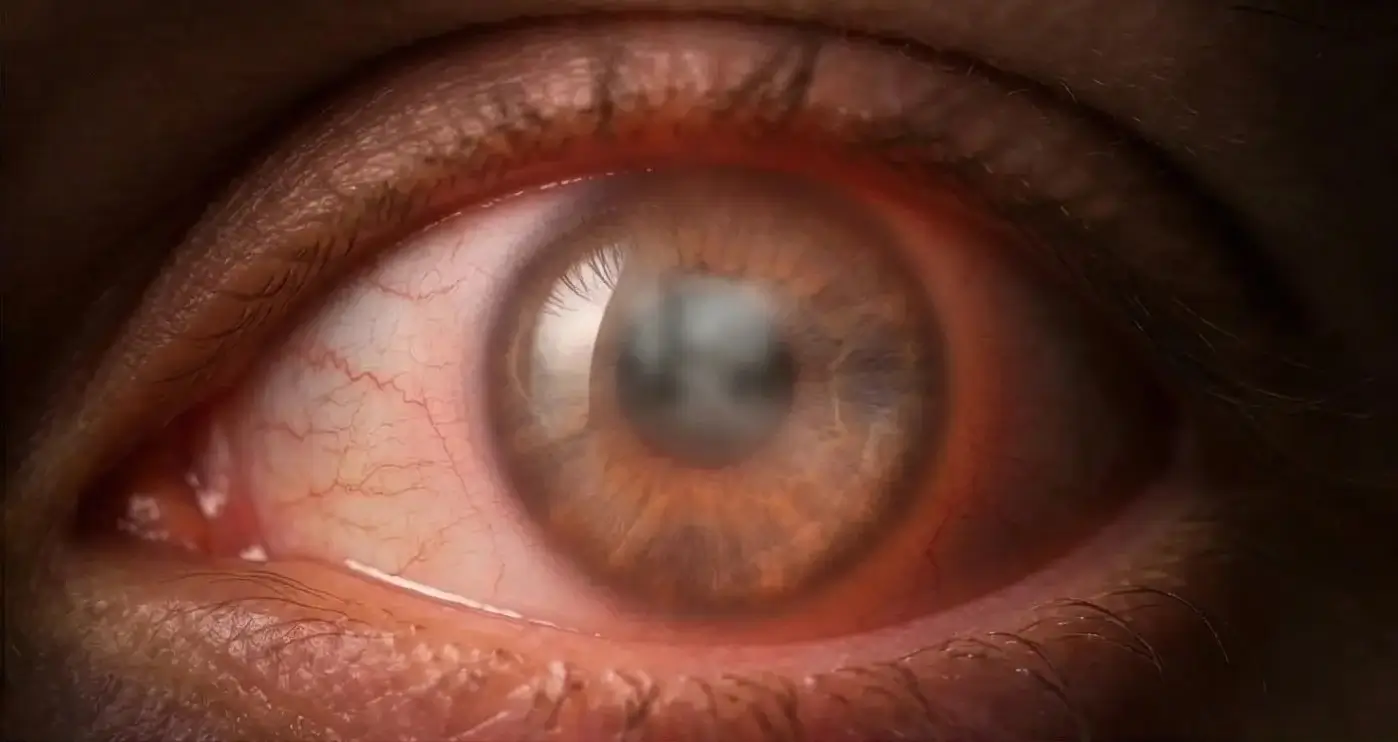
Years of daily screen exposure create oxidative stress in the retina. No symptoms yet — but stem cell count is already declining.
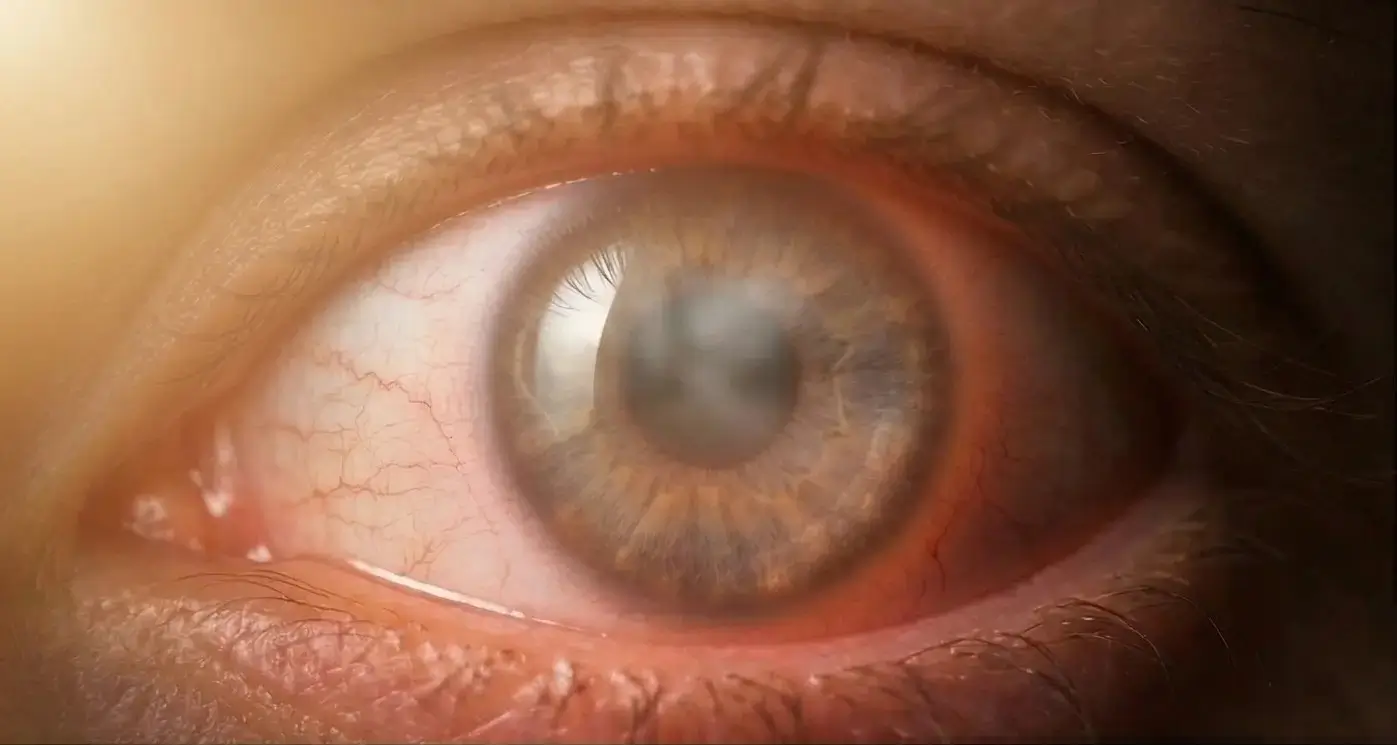
Eyes feel tired faster, morning blur takes longer to clear, night vision worsens. Most people blame stress or "just aging."
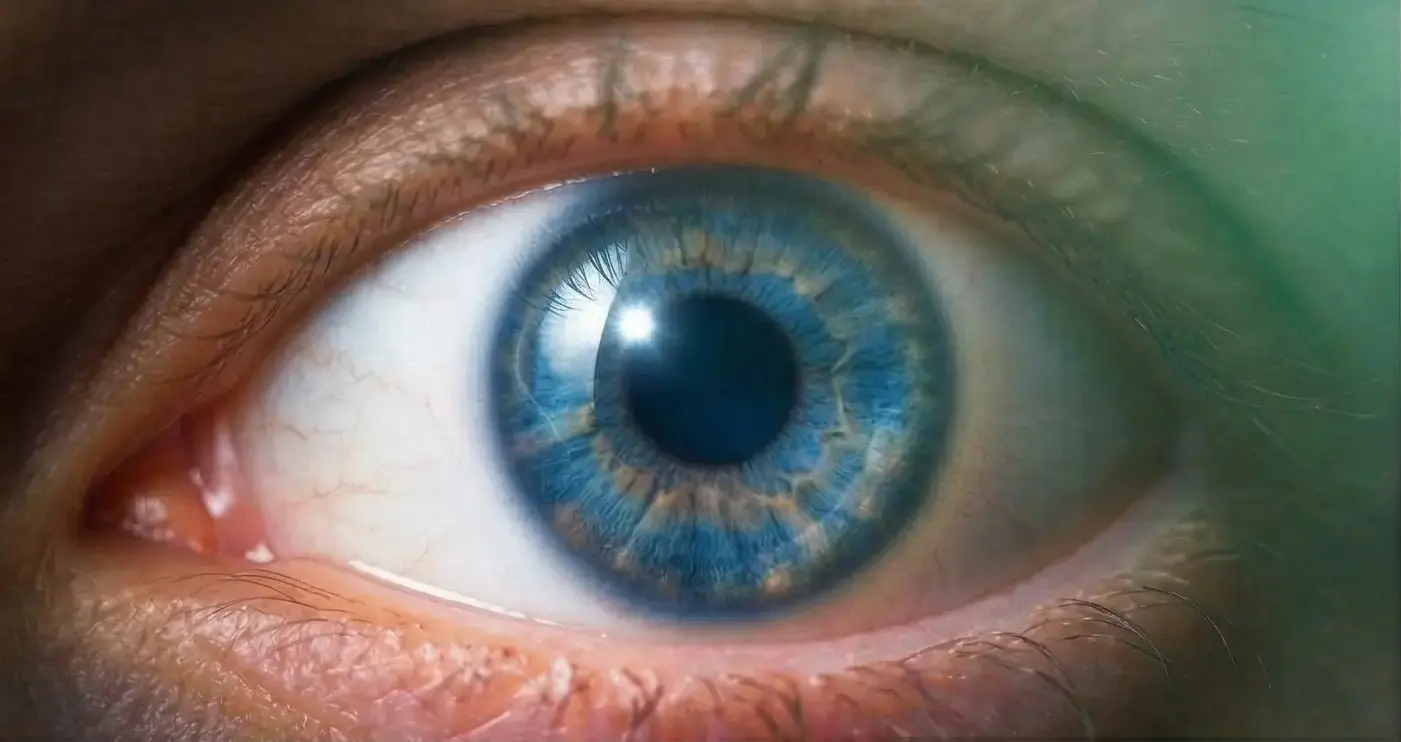
With targeted anthocyanin support, the retinal repair mechanism reignites. Stem cell activity increases. Vision begins to stabilize.
Eyes feel less strained. Reading is easier. Nights are clearer. The damage from years of screen exposure is being actively repaired.
What stage do you feel you're in right now?
7 Signs Screen Light Has Already Damaged Your Retinal Stem Cells
If you notice 3 or more of these — the cellular damage may already be progressing faster than you realize:
- ! Eyes feel burned, dry, or gritty after just 30–60 minutes of screen use
- ! Vision is noticeably blurrier after long screen sessions than before them
- ! Difficulty adjusting from bright screens to dark rooms (slow dark adaptation)
- ! Headaches that seem to follow extended phone or computer use
- ! Morning vision takes more than 2–3 minutes to fully clear
- ! Increased sensitivity to LED overhead lighting in stores or offices
- ! Night driving has become noticeably harder in the past 1–2 years
The average American now spends over 7 hours per day on screens. That's more than 2,500 hours per year of retinal radiation exposure. What feels like minor eye strain today may be irreversible stem cell damage by the time symptoms become obvious.
"My Doctor Said Nothing Was Wrong. But Something Was."
One of thousands reporting results through this discovery
Robert Finally Found the Answer After 4 Optometrists Told Him His Eyes Were "Fine"
"I knew something was wrong with my eyes. But every exam came back normal. My prescription barely changed. I was told I was healthy. But I could feel my vision getting worse."
Robert, a 64-year-old project manager from Austin, Texas, had spent the last decade working 10-hour days in front of dual monitors. By 2022, he was spending nearly 12 hours a day staring at screens between work, news, and evening TV. His optometrist saw nothing alarming in his annual exams — but Robert knew something had changed.
His eyes would ache by 2pm. Reading anything in low light had become a frustrating struggle. Night driving felt dangerous in a way it never had before. He'd started canceling evening plans rather than drive after dark. "I felt like I was living in a slightly foggy world that nobody else could see."
Robert tried the 30-second morning ritual described in the presentation. Within 11 days, his afternoon eye ache had almost disappeared. By week three, he was driving at night without anxiety for the first time in years. "I can't explain the science, but I know what changed. I just wish I'd found this sooner."
Robert K. — 64, Project Manager, Austin TX
The Part That Should Concern You Most
Standard eye exams measure your refractive error — whether you need glasses. They do not measure retinal stem cell health or cumulative radiation damage. This means your eyes can be failing at the cellular level for years while every exam tells you everything is "normal."
By the time the vision decline becomes obvious and measurable on a standard chart, the stem cell damage that caused it has already been accumulating for 5, 10, even 15 years.
What Researchers Found About Populations With Near-Zero Screen Damage
Harvard-affiliated ophthalmologists began examining why certain elderly populations in rural Scandinavia showed almost no signs of retinal degradation — even among individuals well into their 80s and 90s.
What they found was unexpected: a wild blueberry variety unique to the Nordic subarctic contained anthocyanin concentrations up to 6× higher than commercial blueberries. This compound appeared to directly reactivate the retinal stem cell repair system, neutralizing the oxidative stress that screen light creates inside the eye.
When administered in a simple 30-second morning routine, participants reported measurable improvements in visual clarity and eye comfort within 2 weeks — and for many, relief from screen sensitivity symptoms that had lasted 7 years or more.
"After 10 years of worsening eye strain, the change felt almost unbelievable." — a 67-year-old software developer from the initial study group