 By Dr. Ming Wang, MD · Ophthalmology Specialist ·
Why Is My Vision Blurry
in the Morning?
(The Cause Has Nothing to Do With Sleep)
Research reveals a silent overnight process impacting millions of people's eyesight — and the one simple ritual that may help support the eye's natural cellular recovery, starting TONIGHT.
What Causes Morning Blurry Vision?
Morning blurry vision occurs when the eye's natural overnight cellular repair process is interrupted, leading to a buildup of debris and reduced tear film. While occasional morning blur is normal, vision that takes longer than two minutes to clear often indicates underlying retinal stress caused by cumulative exposure to screen light radiation. According to leading ophthalmology research, this high-energy light degrades the stem cells responsible for daily ocular regeneration.

The Real Reason Your Eyes Wake Up Blurry Every Morning
For decades, people were told their morning blurry vision was simply "sleep crust" or "your eyes are still waking up."
But studies referenced in broader National Eye Institute (NEI) literature reveal something that changed everything for thousands of patients:
Every hour you spend looking at a screen — your phone, TV, tablet, computer — your eyes absorb high-energy blue light radiation. Year after year, this silently degrades the stem cells your retina depends on to repair itself overnight.
When those stem cells are compromised, your eyes lose their ability to complete the natural overnight repair cycle. The damage accumulates — invisibly — until the morning fog starts taking longer and longer to clear.
The Arctic Blueberry Ritual targets this breakdown by:
- Y Supporting the cellular repair process that clears your vision overnight
- Y Nourishing the retinal stem cells that screen light has been slowly degrading
- Y Assisting eyes to wake up clearer with natural botanical compounds
People report their eyes feel lighter, clearer, and dramatically less strained within the first few weeks.
The 4 Stages of Morning Vision Decline — And What Happens When Natural Repair is Supported
Your morning vision doesn't just suddenly get blurry one day. It follows a predictable, silent step-by-step breakdown triggered by cumulative screen light radiation that quietly weakens the cells keeping your sight clear.
Below are the 4 stages — and what thousands of people report happening when the natural recovery process is supported.

Screen radiation slowly impacts retinal stem cells. No noticeable symptoms yet — but the repair cycle is weakening.

Eyes take 3-5 minutes to clear in the morning. You start blinking more, rubbing your eyes — hoping it goes away.
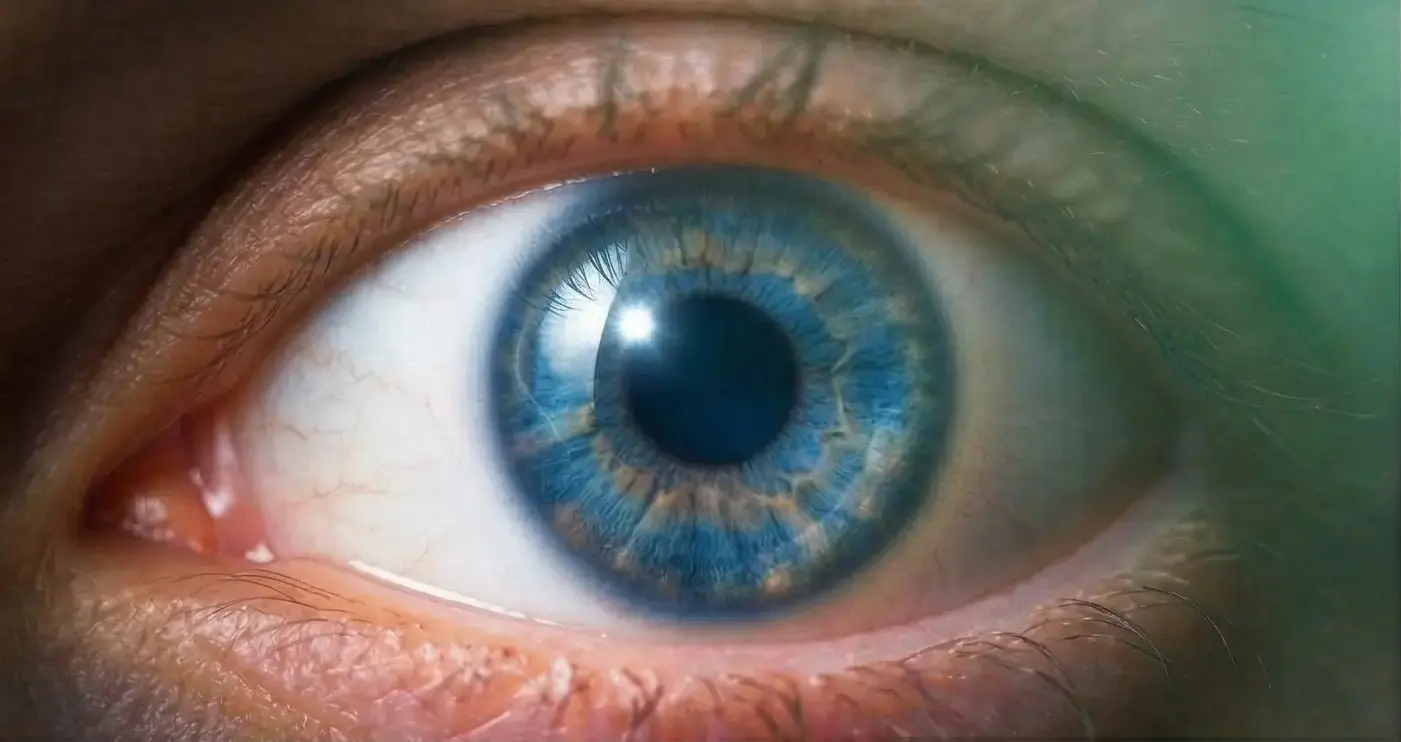
With targeted anthocyanin support, retinal cells begin receiving nutrients. The overnight repair cycle is assisted. Vision clears faster each morning.
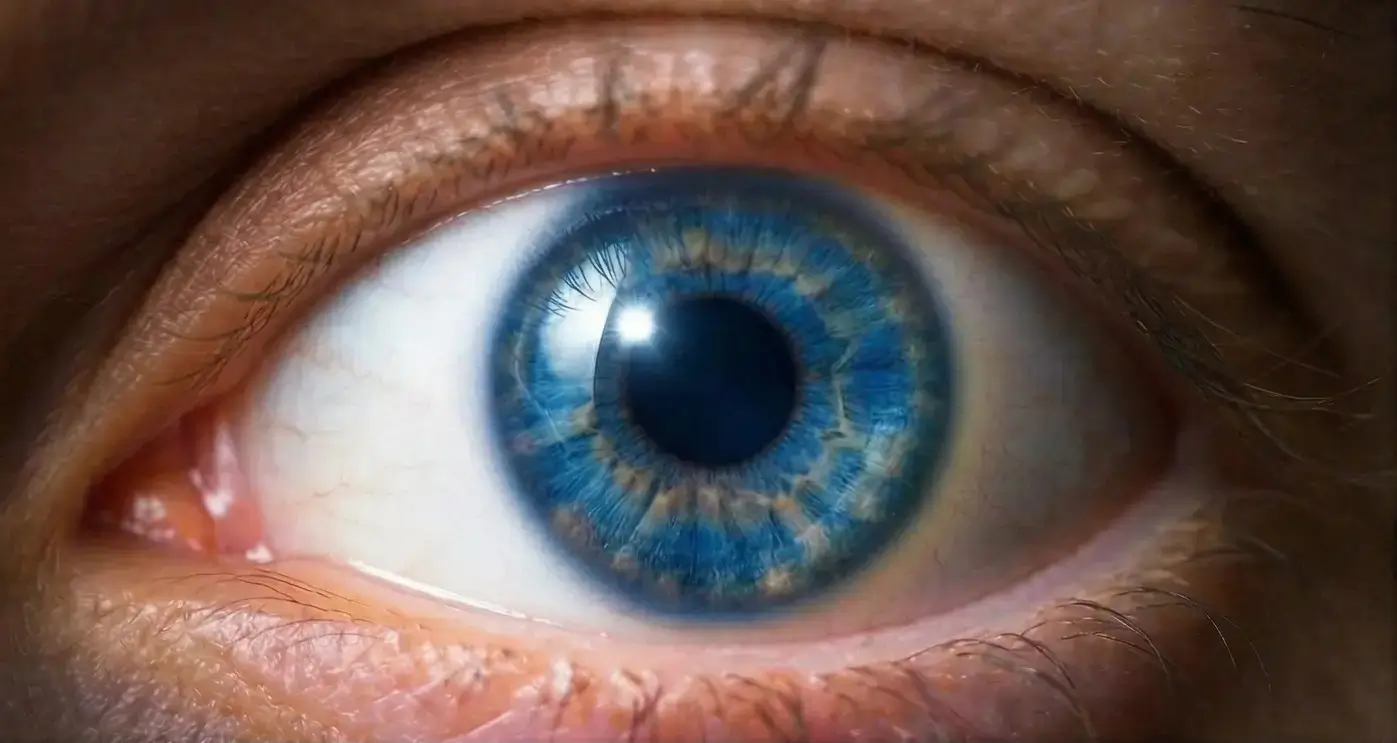
Eyes wake up feeling clear and sharp. No more persistent fog, no more slow-clearing blur. The overnight repair cycle is functioning optimally.
Which stage do you feel you're in right now?
Are These Warning Signs Already Happening to You?
If you notice 3 or more of these — the overnight cellular stress may already be progressing faster than you realize:
- ! Morning vision takes more than 2-3 minutes to become clear and sharp
- ! You reach for your phone and have to squint to read notifications when you first wake up
- ! Eyes feel dry, gritty, or "sandy" immediately upon waking
- ! Vision seems cloudier or less sharp than it did 2-3 years ago
- ! Occasional halos or glare around lights at night or in bright rooms
- ! Reading fine print requires noticeably more light than before
- ! Eyes tire more quickly during the day — especially after screen use
What feels like a minor morning inconvenience today may become long-term retinal stress within months. The cellular impact has been accumulating silently — long before your symptoms became noticeable.
"I Thought It Was Just Part of Getting Older. I Was Wrong."
One of thousands reporting results through this discovery
Margaret Stopped Dreading Her Mornings After 6 Years of Waking Up Foggy
"Every morning was the same — I'd wake up and the world was just a blur. I'd sit on the edge of the bed for 10 minutes waiting to be able to see."
Margaret, a 72-year-old retired schoolteacher from Connecticut, had lived with severe morning blurry vision since her mid-60s. Her eye doctor reassured her it was "just dry eyes" and "normal aging." She tried three different brands of lubricating drops, wore blue-light glasses to bed, and even tried taping blackout curtains over every window. Nothing helped.
By 2023, Margaret's mornings had become something she dreaded. She couldn't drive her grandchildren to school until nearly 9am because her vision took so long to stabilize. "I felt like half my day was already gone before I could even function," she recalled. Her optometrist had already mentioned that her prescription had changed twice in two years — an unusually rapid progression.
Margaret followed the simple morning protocol described in the free presentation. She noticed her vision was clearing much faster when she woke up. By the third week, she was no longer sitting on the edge of her bed waiting for the fog to lift. "It was like someone had cleaned the lens of a camera," she said. "I almost didn't believe it was real."
Margaret T. — 72, Retired Teacher, Hartford, CT
*Results mentioned are individual experiences and may vary.
The Part That Should Concern You Most
Most people blame "aging," "dry air," or "too much screen time" for their morning blurry vision. But modern ophthalmological research makes it clear: those are not the root cause — they are only conditions that allow the real damage to progress unaddressed.
The real threat is the progressive, silent impact on the retinal stem cells that were supposed to keep your eyes working perfectly every morning. By the time your symptoms feel impossible to ignore, the cellular stress has already been accumulating for years.
What Researchers Found in a Remote Nordic Village Changed Everything
Researchers began examining why certain elderly populations in northern Scandinavia showed almost no signs of age-related vision decline — even well into their 80s and 90s.
What they found was unexpected: the local diet was rich in a wild blueberry variety that grows only in harsh subarctic conditions. A specific concentration of anthocyanins found in this berry appeared to support the retina's own overnight repair system, targeting the stem cell stress that conventional eye care never addresses.
When used in a simple 30-second morning routine, participants reported noticeably clearer morning vision — and for many, significant relief from morning fog symptoms that had lasted for years.
"I didn't expect much. But after just a few days, it was like my windshield had been wiped clean." — a 69-year-old retired nurse