 By Dr. Ming Wang, MD · Ophthalmology Specialist ·
7 Worst Foods for Your Eyesight
(Stop Eating These — Your Vision Depends on It)
Researchers discovered that the average American diet contains 7 specific foods that accelerate retinal stem cell destruction — silently stealing your vision meal by meal. Find out which ones you're eating — and the one natural fix that helps reverse the damage already done.
The Real Reason Your Diet Is Destroying Your Vision
For decades, people were told their failing eyesight was simply "genetics" and "aging." But a 2023 study at a Harvard-affiliated research lab revealed a critical piece the standard narrative was missing:
Your diet directly controls the level of oxidative stress in your retinal tissue — and oxidative stress is the primary mechanism that destroys the stem cells your eyes depend on to repair themselves. Every time you eat a food high in refined sugar, trans fats, or inflammatory seed oils, you're accelerating this process.
Every meal is either feeding your retinal stem cells — or silently destroying them.
The Arctic Blueberry Ritual works differently:
- ✓ Delivers anti-oxidative anthocyanins that directly counteract the cellular damage from inflammatory foods
- ✓ Supports the retinal stem cells that diet-induced inflammation has been degrading
- ✓ Helps reverse years of dietary eye damage — when combined with removing these 7 foods
People who remove these foods AND add the ritual report vision that feels sharper, less strained, and clearer within the first two weeks.
The 4 Stages of Diet-Induced Vision Destruction — And the Reversal That's Possible
Dietary damage to your eyes follows a predictable, silent progression that most people don't notice until the vision changes are impossible to deny.

Years of sugar, trans fats, and seed oils create chronic low-grade inflammation in the retina. No symptoms — but oxidative stress is quietly destroying stem cells.
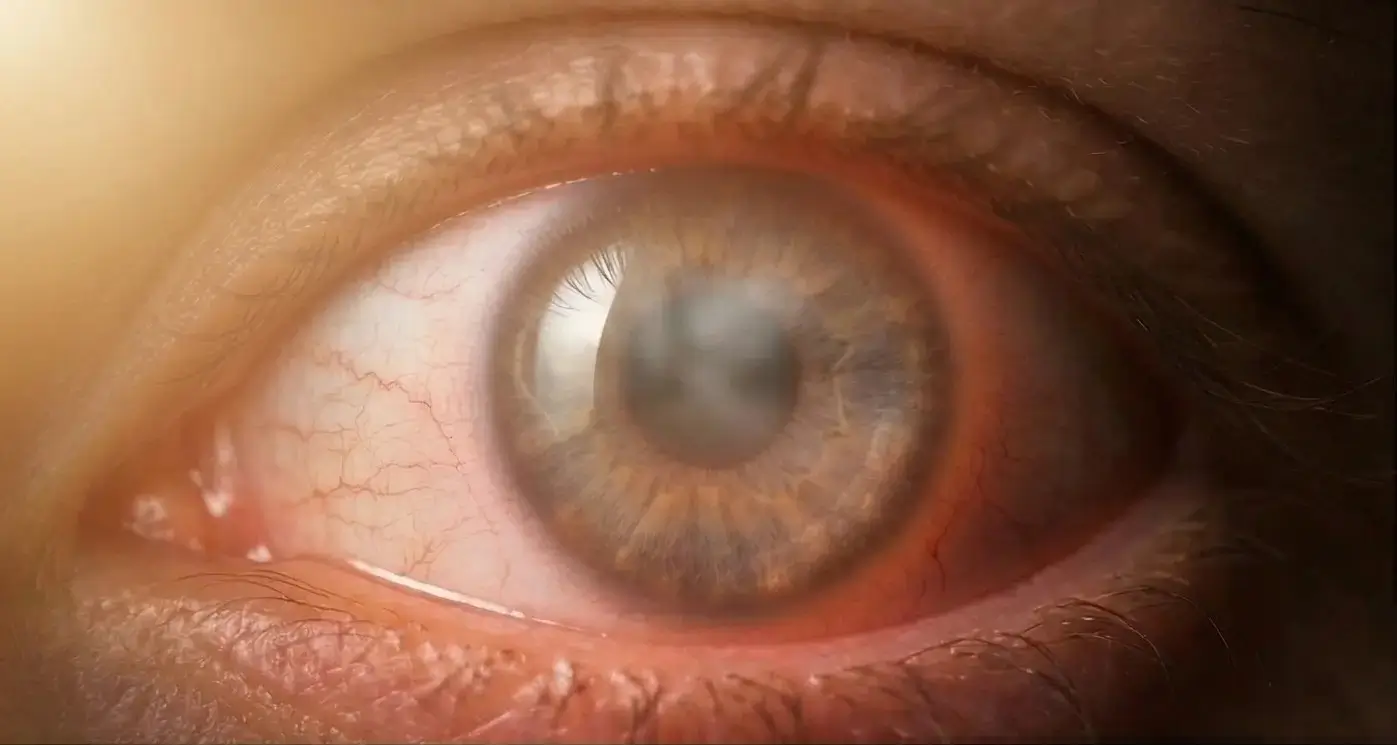
Eyes tire faster. Night vision deteriorates. Morning vision takes longer to clear. Most people change their glasses — not their diet.
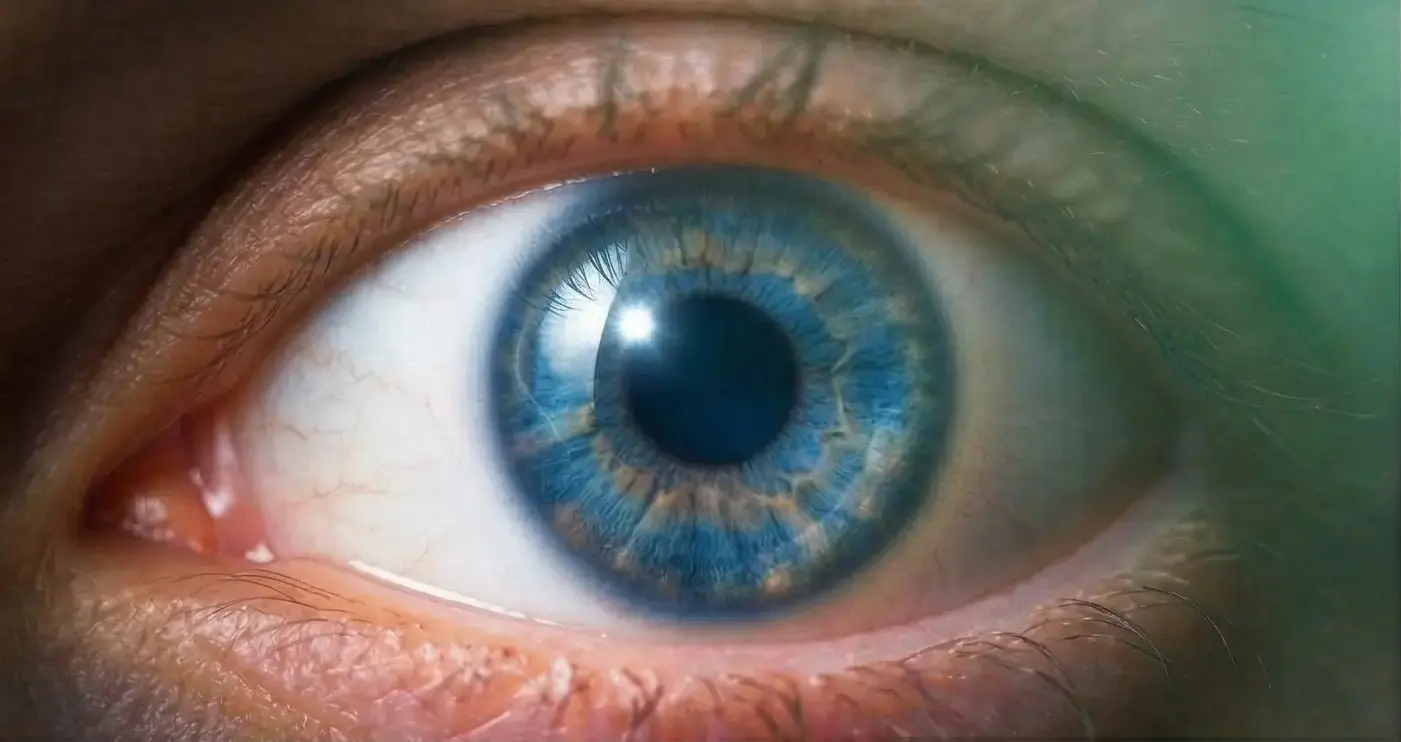
Removing the 7 damaging foods lowers retinal oxidative stress. Combined with anthocyanin support, the stem cell repair mechanism reactivates.
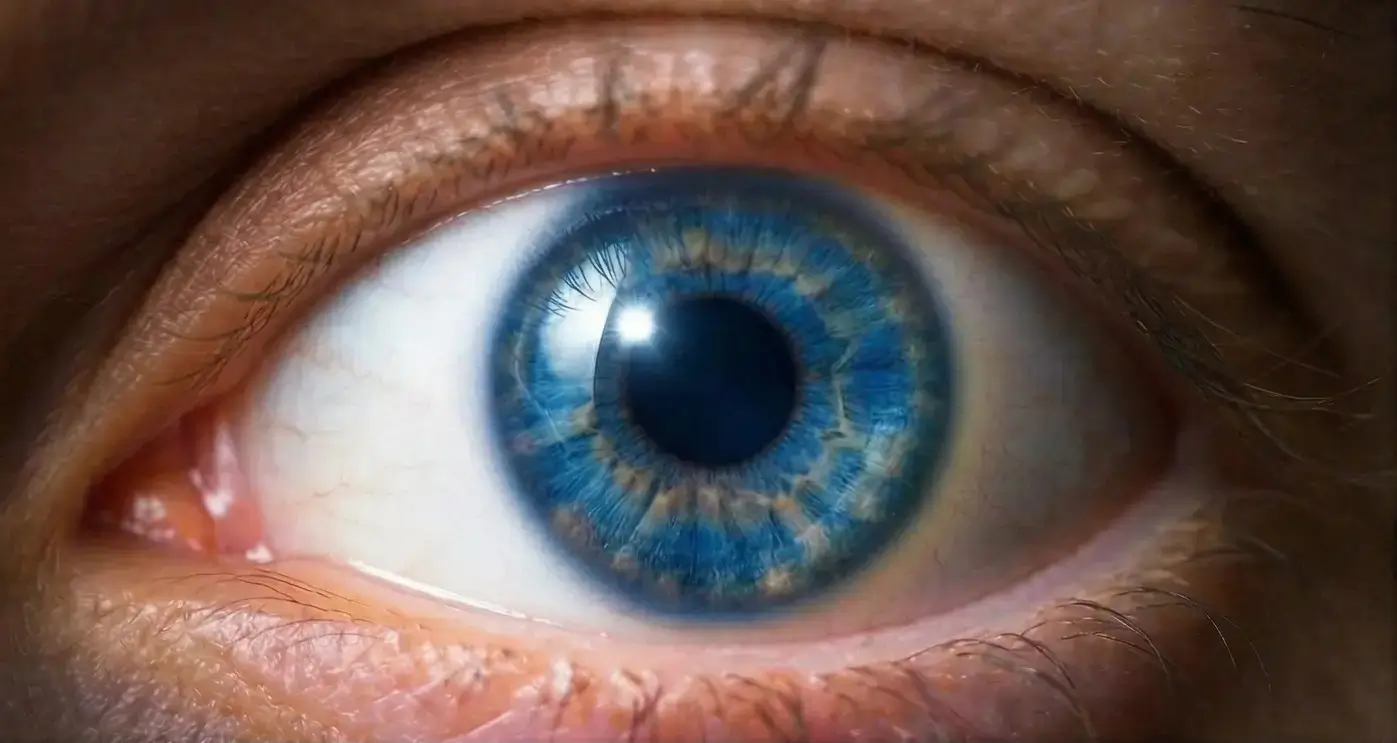
Eye strain decreases. Morning clarity improves. Night vision stabilizes. For many, this is the first time their vision has felt genuinely better in years.
The 7 Foods Most Likely Destroying Your Vision Right Now
If you regularly consume 3 or more of these, your retinal stem cells are likely under active assault:
- ! Refined sugar and high-fructose corn syrup — the #1 driver of retinal glycation and oxidative stress
- ! Trans fats and partially hydrogenated oils — disrupt the fatty acid composition of retinal cell membranes
- ! Industrial seed oils (corn, soybean, canola) — highly prone to oxidation, which creates retinal free radical damage
- ! Processed meats with nitrates — linked to increased retinal oxidative damage and macular changes
- ! White flour products (bread, pasta, pastries) — spike blood sugar and promote the glycation that damages macular tissue
- ! Excessive alcohol — depletes lutein, zeaxanthin, and B vitamins critical for retinal function
- ! Artificial food dyes (Red 40, Yellow 5, Blue 1) — linked to retinal inflammation in cellular studies
Retinal stem cell degradation from dietary inflammation happens slowly — over years and decades. By the time your vision changes are obvious, the cellular damage may have been accumulating for 10 or more years. The earlier you remove these foods, the more is still reversible.
"I Changed Two Things. My Eyes Changed Completely."
One of thousands reporting results through this discovery
Carol's Vision Improved After She Stopped Two Foods She'd Been Eating Every Single Day
"I thought I was eating fairly healthy. I had no idea my daily 'treats' were literally poisoning my eyes."
Carol, a 66-year-old administrative coordinator from Nashville, had been quietly losing sharpness in her right eye for about three years. Her ophthalmologist had put her on a monitoring schedule for early AMD changes. She'd tried every supplement the internet recommended — and spent over $400 on supplements in 18 months with minimal improvement.
Then she watched the free presentation and saw the specific list of foods that destroy retinal stem cells through oxidative stress. She was shocked to discover she consumed three of them every single day: a daily soda with HFCS, vegetable-oil-based margarine on her toast, and a white-flour biscuit with her morning coffee. Small habits. Enormous cumulative damage.
"I spent 18 months taking expensive supplements while unknowingly eating the exact things that were undoing all of it," Carol said. "Once I stopped the damage and started the repair at the same time — that's when things actually changed."
Carol B. — 66, Administrative Coordinator, Nashville TN
The Part That Should Concern You Most
Most people taking eye supplements are simultaneously eating the foods that undo them. Lutein, zeaxanthin, vitamin C — these nutrients cannot compete with the volume of oxidative damage generated by a daily diet high in sugar, trans fats, and inflammatory oils.
Your eyes are fighting a battle on two fronts: the cellular destruction happening from screen radiation, and the dietary inflammation accelerating it from within. Remove the fuel — then add the repair. That's what the research says works.
What Researchers Found When They Looked at the Diets of People Who Never Lose Their Vision
Harvard-affiliated ophthalmologists studying elderly populations in the Nordic highlands found something remarkable: not only did these communities show near-zero AMD rates, but their diets were almost entirely free of the 7 foods identified above. Their diet was centered on cold-water fish, root vegetables, and wild subarctic blueberries.
The wild Nordic blueberry's anthocyanins appeared to actively counteract retinal oxidative stress in a way that commercial blueberries — with far lower anthocyanin concentrations — could not. Combined with the absence of inflammatory dietary triggers, the retinal stem cell repair cycle remained active well into advanced age.
When researchers isolated the wild blueberry extract and tested it in participants eating a standard Western diet, they still observed measurable improvements in retinal health within 3–5 weeks — even without fully eliminating the 7 problematic foods. Removing those foods as well amplified the results significantly.
"I didn't expect much. But after a few days, it was like my windshield had been wiped clean." — a 71-year-old participant from the research cohort