 By Dr. Ming Wang, MD · Ophthalmology Specialist ·
Can Vision Loss Be Reversed Naturally?
What Doctors Won't Tell You —
and What the Science Actually Shows
For years, conventional medicine said "no." But researchers studying elderly populations with near-perfect lifelong vision discovered a compound so powerful, it may reactivate the repair system your eyes lost years ago — starting within days.

The Real Reason Vision "Can't" Be Reversed — And Why That Was Wrong
For decades, people were told their progressive vision decline was simply "irreversible aging" — that once you lose sharpness, there's no coming back.
But a landmark study at a Harvard-affiliated laboratory revealed something that shook the entire field: the cells responsible for repairing and regenerating eye tissue — retinal stem cells — do not simply "die of old age." They are destroyed by a specific, preventable mechanism.
That mechanism is cumulative oxidative stress — generated primarily by modern screen light radiation. Every hour of screen time accelerates the degradation of the very cells that keep your vision clear. When those stem cells are compromised, your eyes lose their ability to repair themselves — and vision declines.
The reason doctors said reversal was impossible? They were treating the symptom — blurry vision, failing prescription, light sensitivity — not the underlying cellular damage causing it. They had no tools to address the stem cells. Until now.
- ✓ Supports the retinal stem cell activity that conventional treatment ignores
- ✓ Helps reverse oxidative damage accumulated over years of screen exposure
- ✓ Works with the body's own repair system — no surgery, no side effects
People who complete the ritual report their vision feels noticeably clearer, brighter, and more stable within the first two weeks.
The 4 Stages of Natural Vision Recovery — What Actually Happens Inside Your Eye
Natural vision reversal isn't magic — it follows a measurable, biological sequence once the stem cell repair mechanism is properly supported.
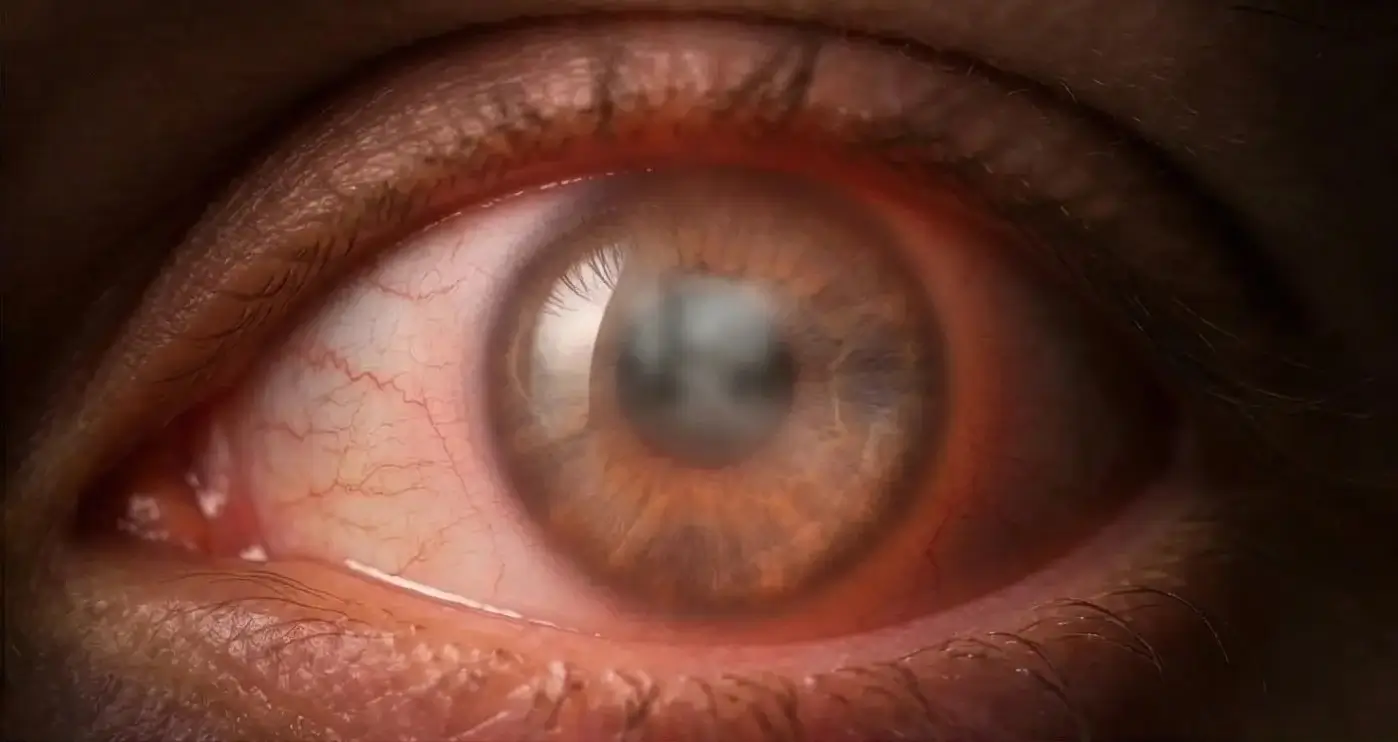
Screen radiation and oxidative stress slowly degrade the retinal stem cells. Vision changes slowly — most people don't notice until it's significant.
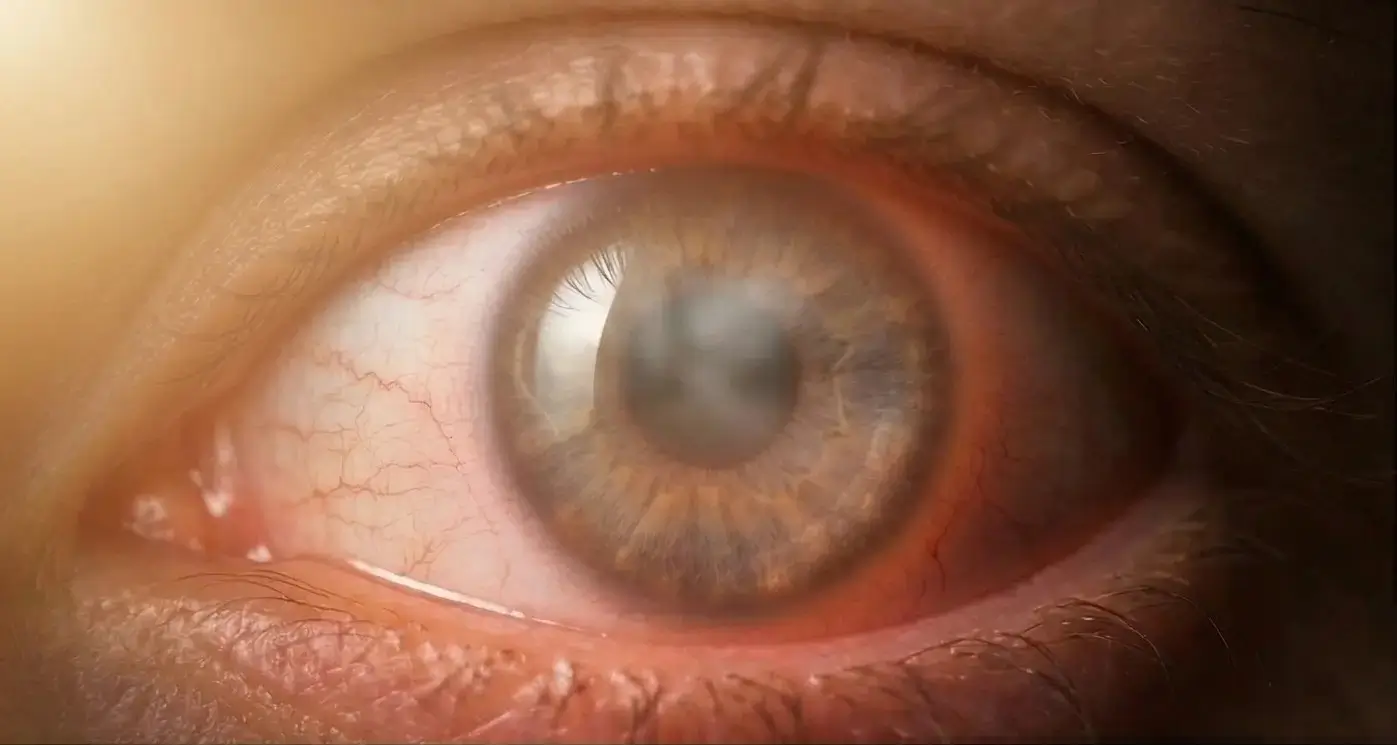
Wild Nordic blueberry anthocyanins bind to retinal receptor sites, neutralizing oxidative stress and signaling dormant stem cells to reactivate.
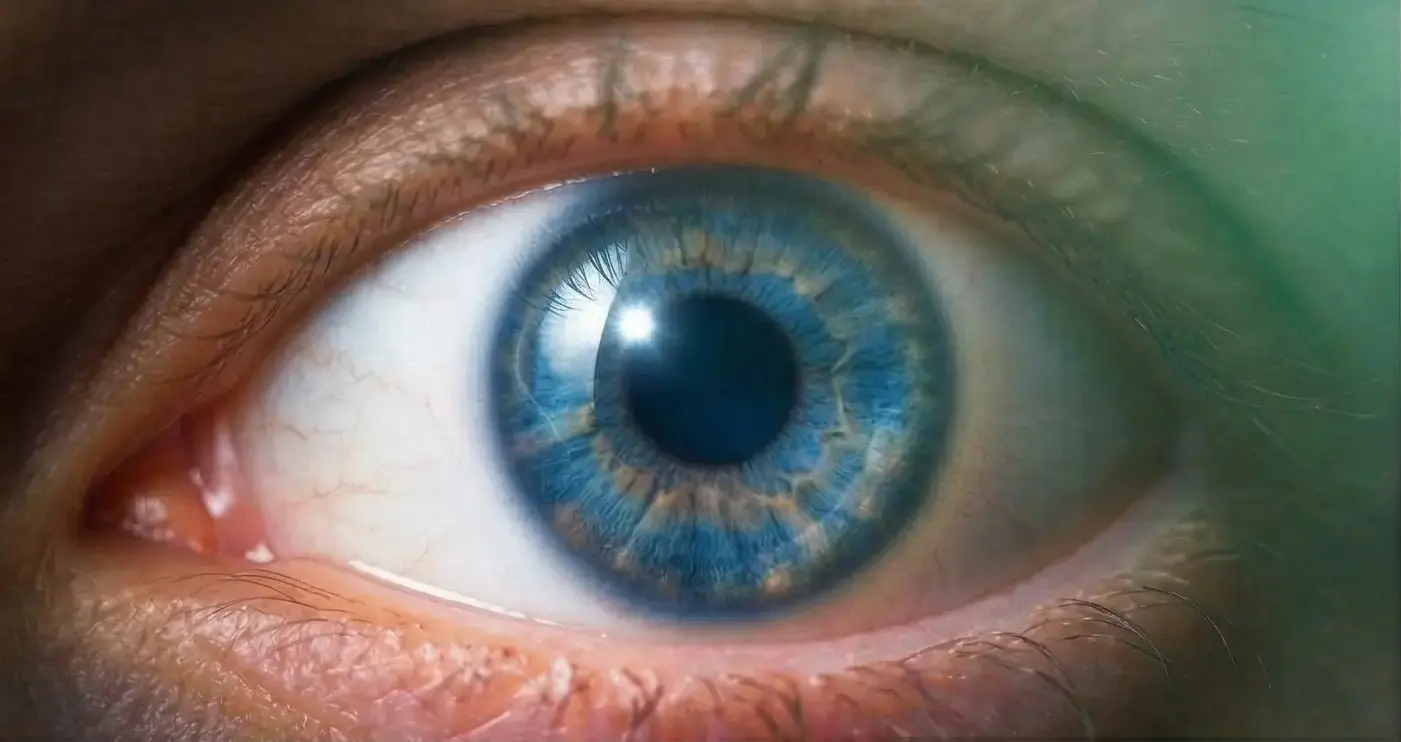
Retinal tissue begins rebuilding overnight. Eyes clear faster in the morning. Sensitivity to light and screens decreases. Sharpness begins returning.
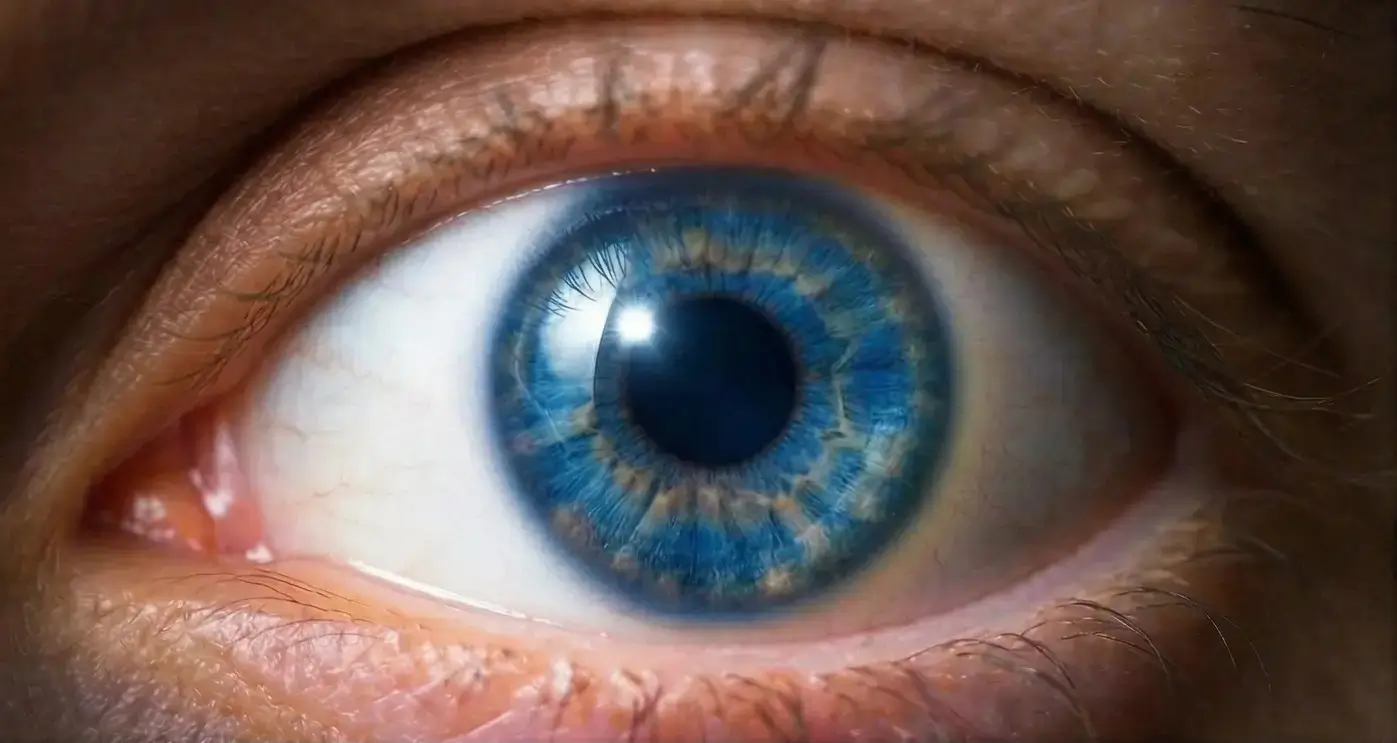
The overnight repair cycle is fully restored. Many report reading without glasses for the first time in years. Vision stabilizes instead of continuing to decline.
Which stage describes where your vision is today?
Signs Your Vision Is Still Reversible (Don't Wait Until It's Too Late)
The window for natural reversal remains open as long as stem cell activity hasn't been fully extinguished. These are the signs that recovery may still be possible:
- ✓ Your vision was noticeably sharper 3–5 years ago (decline is gradual, not sudden)
- ✓ Morning vision is blurry but clears within a few minutes of waking
- ✓ You can still read print without glasses in good lighting
- ✓ Your prescription hasn't changed more than twice in the last two years
Warning signs that the damage is accelerating:
- ! Prescription changing rapidly — two or more updates in 18 months
- ! Reading fine print becoming genuinely difficult, not just inconvenient
- ! Night driving anxiety that gets worse each season
- ! Central vision showing early waviness or distortion when looking at straight lines
Retinal stem cell populations decline with every year of unaddressed damage. The earlier you support the repair mechanism, the greater the potential for meaningful recovery. Waiting until vision loss becomes severe significantly narrows the window.
"I Was Told I'd Need Surgery. Then I Found This Instead."
One of thousands reporting results through this discovery
Harold Canceled His Surgery Appointment After Watching a 20-Minute Presentation
"My optometrist told me I was heading toward macular degeneration. He referred me to a specialist. I was terrified. I started looking for anything I might be missing."
Harold, a 68-year-old retired electrician from rural Ohio, had watched his vision decline steadily over the previous five years. His right eye had developed a noticeable central blur when reading — his specialist had mentioned early AMD-like changes in the macula. He was told to "monitor it" and prepare for possible injections within the year.
He had quit his phone habit, invested in expensive blue light glasses, and taken every over-the-counter eye supplement he could find. Nothing reversed the slow, creeping blur in the center of his vision. "I felt like I was watching myself go blind and there was nothing I could do about it," he said.
Within three weeks, Harold noticed the central blur in his right eye had slightly softened. By week six, he could read a full page of a novel without stopping. He went back to his specialist — who noted that the early macular changes appeared "stable" and had not progressed. "I don't know what would have happened if I'd gone the other route," Harold said. "But I'm glad I didn't."
Harold M. — 68, Retired Electrician, Dayton OH
The Part That Should Concern You Most
Most people accept vision loss as inevitable aging. But Dr. Wang's research makes it clear: those are not the root cause — they are just conditions that allow the real damage to accelerate unchecked.
The real threat is the progressive destruction of retinal stem cells that are supposed to keep your vision working perfectly into your 80s and 90s. By the time the symptoms become impossible to ignore, the cellular repair window may be narrowing fast.
Why Researchers Were Shocked by What They Found in the Nordic Highlands
Harvard-affiliated ophthalmologists began examining why isolated populations in northern Scandinavia showed almost no signs of age-related vision decline — even among individuals in their 80s and 90s with decades of outdoor UV exposure.
What they found defied conventional thinking: a wild blueberry species found exclusively in sub-arctic conditions produced concentrations of anthocyanins up to 6× higher than any commercially available variety. This compound appeared to directly support retinal stem cell regeneration — something no pharmaceutical intervention had achieved without significant side effects.
When used in a consistent 30-second morning protocol, participants reported measurable improvements in visual clarity and prescription stability within 3 weeks — and for many, a reversal of vision loss symptoms that had been progressing for 10 years or more.
"I didn't expect much. But after just a few days, it was like my windshield had been wiped clean." — a 74-year-old from the original research cohort