From morning blur to night halos — every symptom is a signal. Here is what the research reveals about what is actually happening inside your retina.
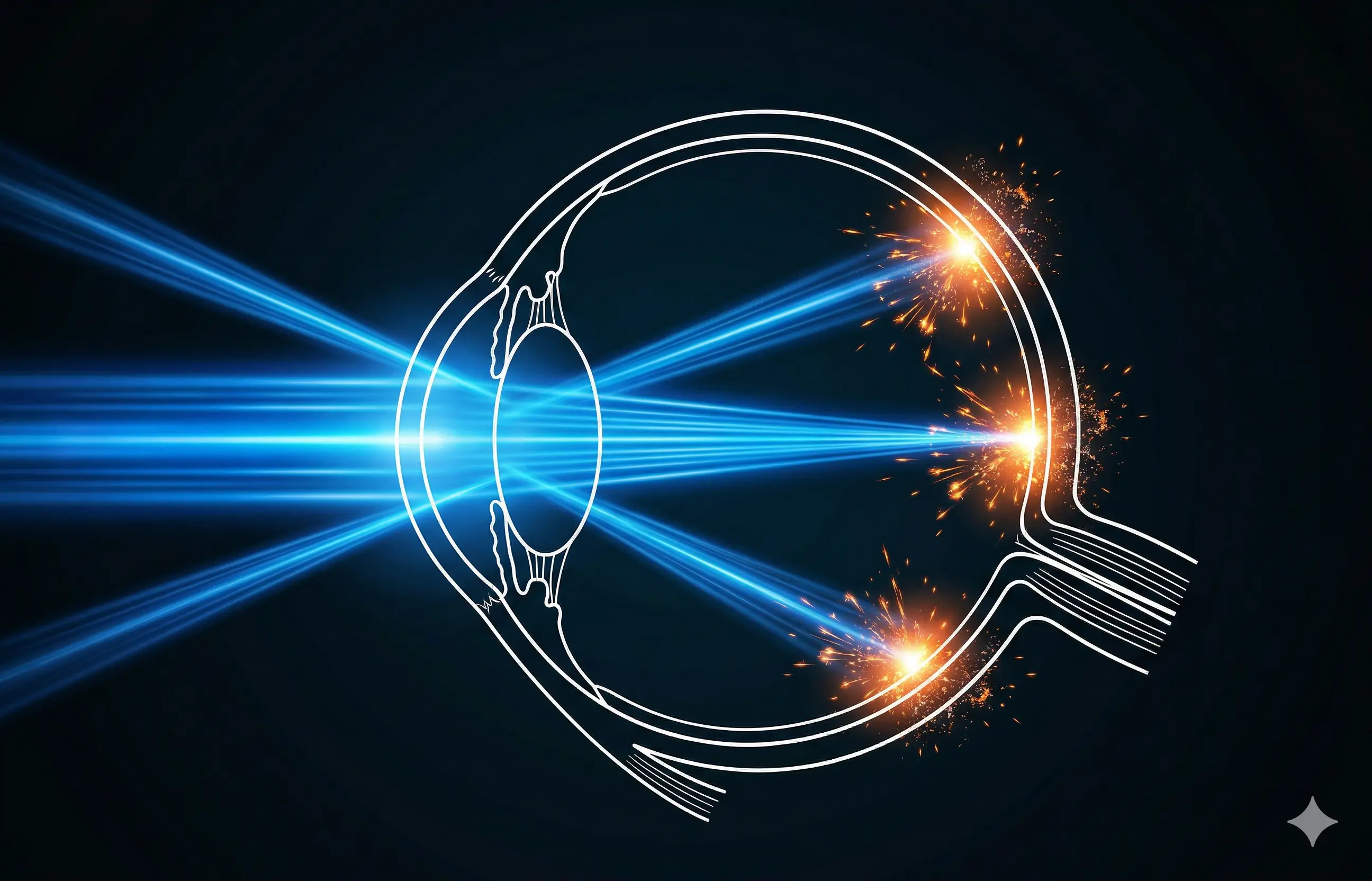
Watch the Free Eye Health PresentationMost people are told their vision changes are inevitable — that glasses and monitoring are all that is left. But researchers have identified the specific cellular mechanism behind most progressive vision symptoms: retinal cell fatigue accelerated by screen radiation and dietary oxidants.
Every article in this cluster explains a specific symptom — what it really means, what is causing it at the cellular level, and what current research shows about addressing the root cause before structural changes become permanent.
Researchers reveal the silent overnight process impacting your eyesight — and how to support natural cellular recovery.
It is not just eye strain. The post-screen blur most people dismiss is an early sign of cumulative retinal stress.
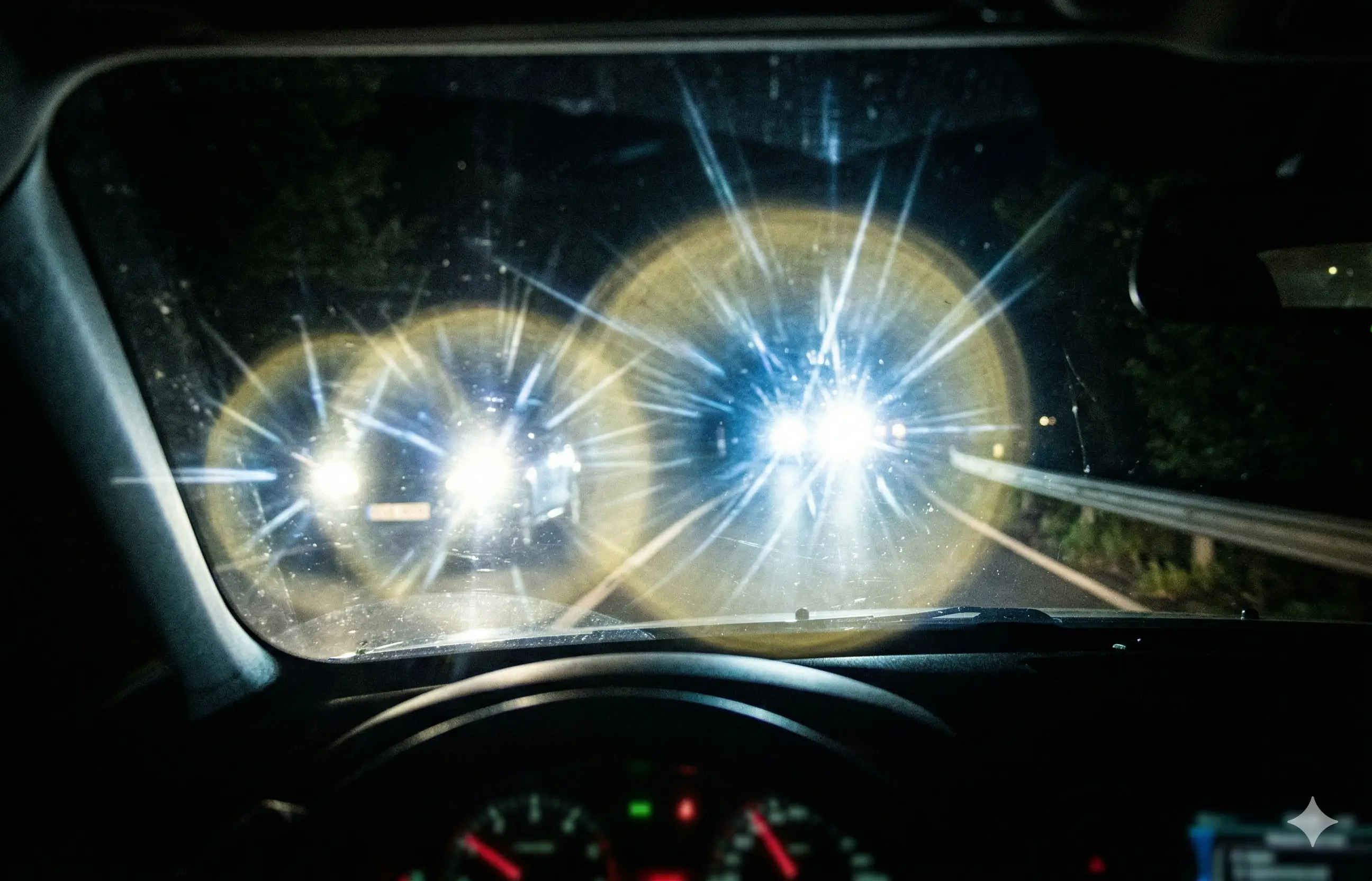
Worsening night vision is one of the earliest signs of rod photoreceptor decline — discover what the science says about intervention.
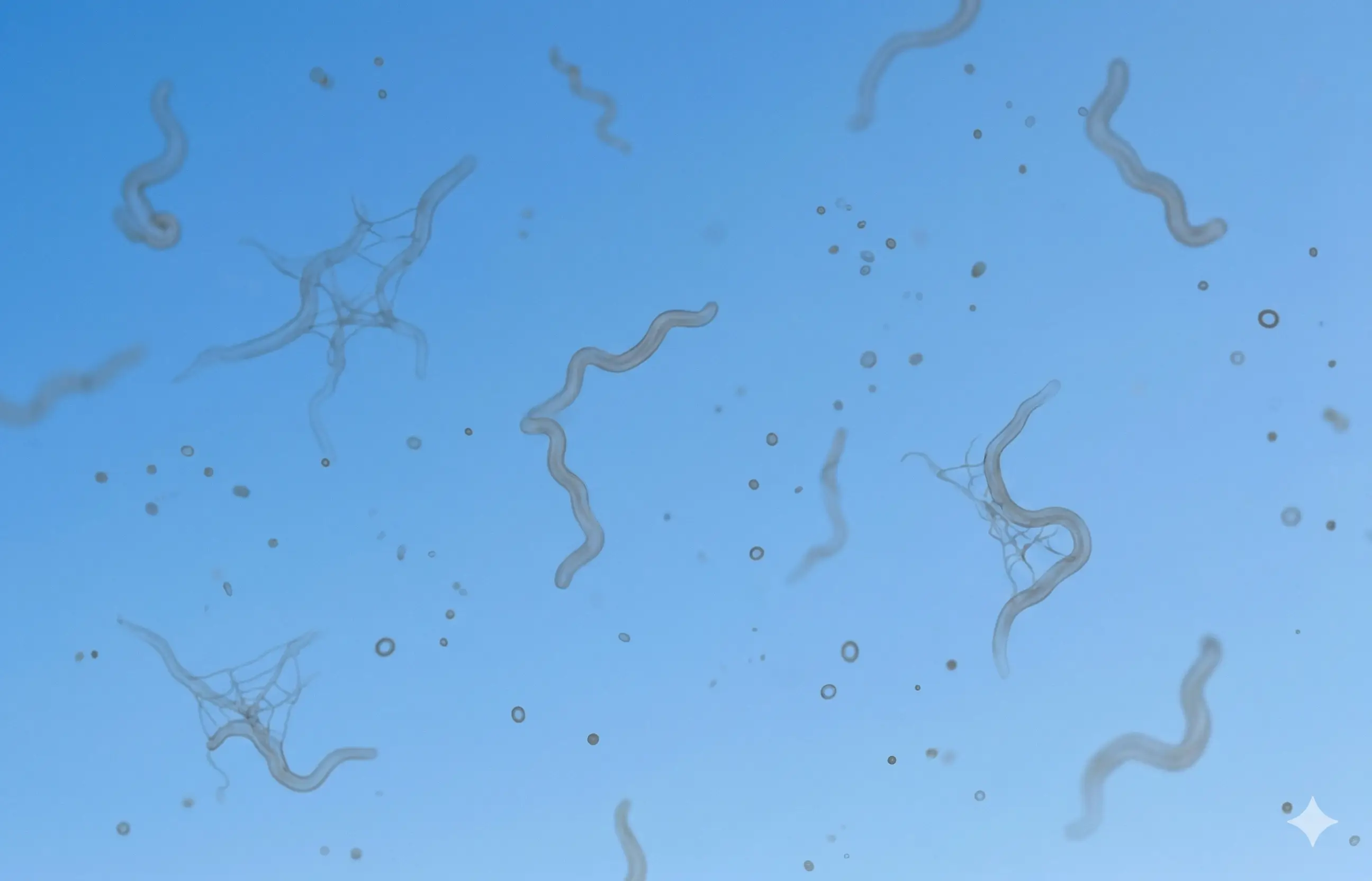
A sudden increase in floaters may be your retina signaling a repair crisis. Here is what the research shows.
If eye drops provide only temporary relief, the problem might be micro-inflammation driven by continuous screen radiation.
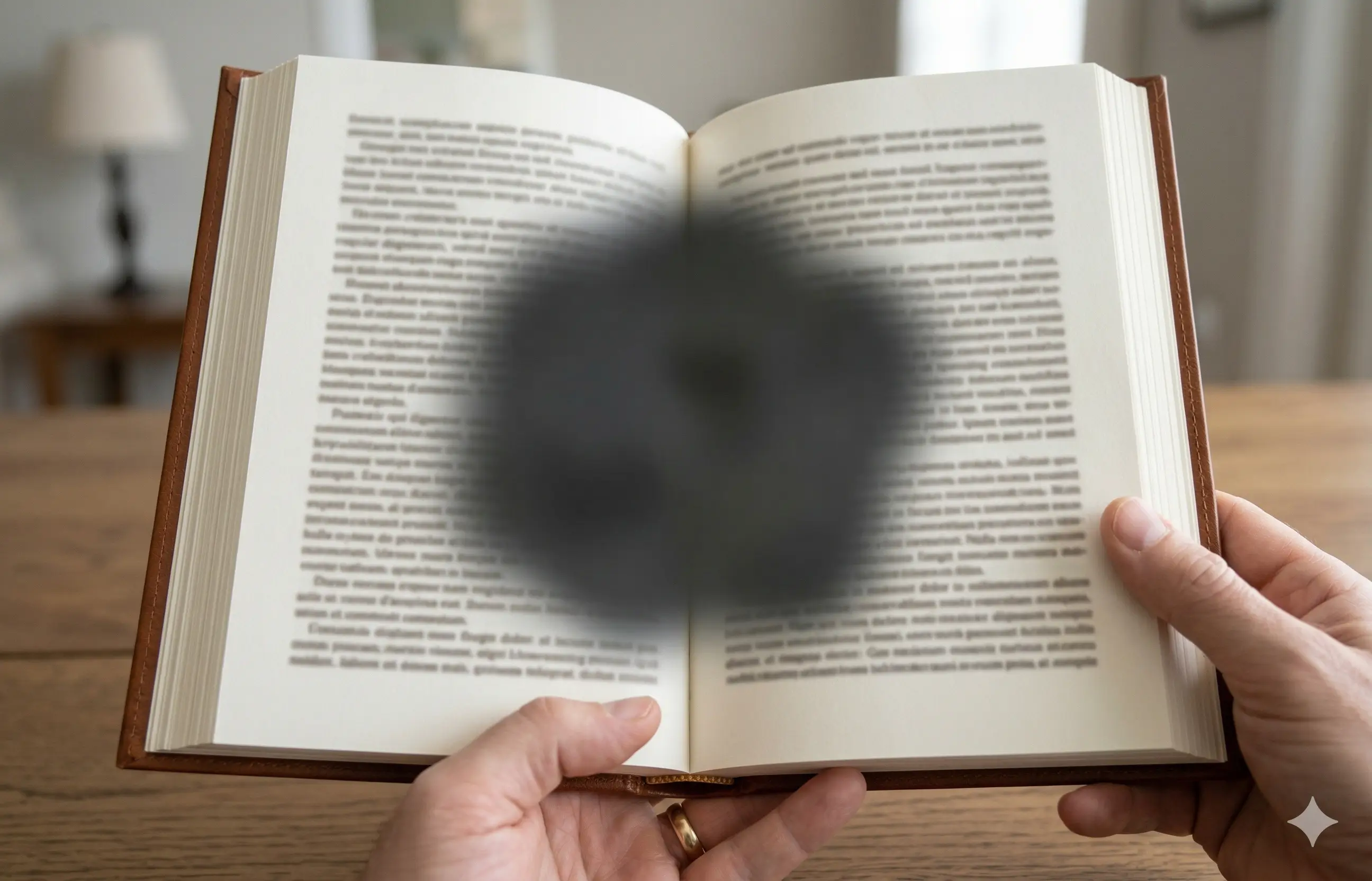
A central dark spot is a serious warning sign. Discover what is happening and what research shows about supporting macular health.
When the world starts closing in from the edges, your optic nerve may be under pressure. Read about the early indicators.
If the world looks less vibrant than it used to, cone cells in your macula may be failing due to oxidative stress.
A comprehensive look at how to recognize early screen-induced retinal stress before it creates structural changes.
Discover the biological mechanisms that drive progressive visual decline and why updating your glasses does not fix the root cause.
Review the clinical markers to understand the difference between manageable eye fatigue and severe retinal deterioration.